

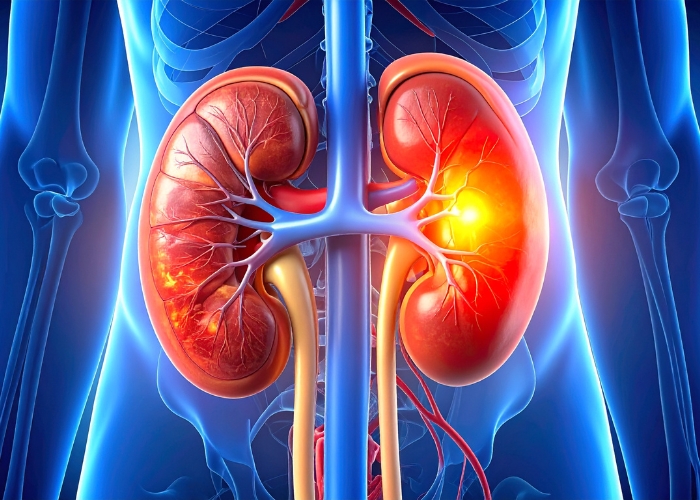
Few medical conditions are as frustrating as kidney stones. The pain can be intense, the treatment may require surgery, and just when you think the problem is behind you, another stone appears months or years later.
Many patients are surprised when this happens. After all, if the stone was removed successfully, why would it come back?
The answer is simple: surgery removes the stone, but it doesn’t always remove the reason the stone formed in the first place.
As the best urologist in Mumbai will often explain to patients, kidney stone disease is not just about a single stone. It’s a condition influenced by lifestyle, hydration, diet, genetics, and underlying health issues. Unless these factors are identified and managed, the risk of recurrence remains high.
One of the biggest misconceptions about kidney stone surgery is that it permanently cures the condition.
Whether you’ve undergone laser stone removal, ureteroscopy, PCNL, or another advanced procedure, the goal of surgery is to clear the existing stone. However, the body can still create new stones if the conditions that led to the original stone remain unchanged.
Think of it like removing weeds from a garden. If the soil conditions remain the same, new weeds can grow back. Kidney stones behave in a similar way.
This is why follow-up care with the best urologist in Mumbai is just as important as the surgery itself.
Dehydration Continues to Be a Major Cause
Many people underestimate how much water they actually need.
A patient may diligently increase water intake for a few weeks after surgery but gradually return to old habits. Over time, concentrated urine allows minerals such as calcium, oxalate, and uric acid to crystallize and form new stones.
In a city like Mumbai, where high temperatures and humidity can increase fluid loss through sweating, staying hydrated becomes even more important.
Your Diet May Be Working Against You
Kidney stones are often linked to everyday food choices.
Regular consumption of high-salt snacks, processed foods, excessive animal protein, and sugary beverages can create an environment that encourages stone formation. Interestingly, many people assume they should avoid calcium altogether, but in some cases, inadequate dietary calcium can actually increase stone risk.
A detailed dietary assessment by the best urologist in Mumbai can help identify specific triggers based on the type of stone you develop.
Genetics Can Play a Significant Role
If kidney stones run in your family, your risk is naturally higher.
It’s common to see multiple members of the same family dealing with recurrent stones. While genetics cannot be changed, understanding your risk allows for earlier monitoring and preventive strategies.
Certain Medical Conditions Increase Recurrence Risk
Sometimes, recurrent stones are a symptom of an underlying health issue.
Conditions commonly associated with repeated stone formation include:
• Diabetes
• Obesity
• Gout
• Hyperparathyroidism
• Recurrent urinary tract infections
• Metabolic disorders
Unless these conditions are properly managed, kidney stones may continue to return despite successful surgeries.
One of the most important steps after stone removal is understanding exactly what type of stone was removed.
For example, calcium oxalate stones often develop due to dehydration and dietary factors. Uric acid stones may be linked to high uric acid levels or gout. Infection-related stones require a completely different prevention strategy.
This is why experienced specialists often recommend stone analysis and metabolic testing after treatment. The best urologist in Mumbai uses this information to create a personalized prevention plan rather than relying on generic advice.
While there is no guaranteed way to prevent every future stone, several measures can significantly lower your risk.
Focus on Hydration Every Day
The goal isn’t simply drinking water when you’re thirsty. Consistent hydration throughout the day helps dilute urine and reduce mineral buildup.
Many urologists recommend producing at least 2 to 2.5 liters of urine daily for patients with a history of kidney stones.
Don’t Skip Follow-Up Appointments
One mistake many patients make is disappearing after surgery and returning only when severe pain develops again.
Regular imaging studies, urine testing, and blood investigations can often detect stone formation at an early stage, when treatment is simpler and less invasive.
Make Sustainable Lifestyle Changes
Small changes often produce the biggest long-term results.
Maintaining a healthy weight, reducing sodium intake, managing diabetes, staying physically active, and following dietary recommendations can collectively reduce recurrence risk.
Why Early Evaluation Matters
A recurring kidney stone rarely appears overnight. In many cases, warning signs develop gradually.
Persistent flank discomfort, blood in the urine, frequent urinary infections, or changes in urination should never be ignored. Seeking evaluation from the best urologist in Mumbai at an early stage can help identify developing stones before they become large enough to require another surgical procedure.
1.Can kidney stones return even after laser surgery?
Yes. Laser surgery removes existing stones but does not eliminate the factors responsible for forming new stones.
2.How common is kidney stone recurrence?
Studies suggest that nearly half of kidney stone patients may develop another stone within five years if preventive measures are not followed.
3.What is the best way to prevent kidney stones from coming back?
Staying hydrated, following dietary recommendations, managing underlying medical conditions, and attending regular follow-up appointments are among the most effective strategies.
4.Should every kidney stone patient undergo metabolic testing?
Patients with recurrent stones, family history, or multiple stones often benefit greatly from metabolic evaluation.
5.When should I consult the best urologist in Mumbai for recurring stones?
You should seek medical advice if you experience persistent pain, blood in urine, recurrent infections, or symptoms suggestive of another stone.
6.Are recurrent kidney stones a sign of kidney damage?
Not always. However, repeated stone episodes can increase the risk of kidney complications if left untreated, making early diagnosis and management essential.


Dr. Mangesh Patil is a renowned Urologist, and is trained in Endourology and Robotic Surgery , with professional experience of more than 10 years .
© 2024 – Urocare Clinic. All Right Reserved | Maintained By Rebecca Digital