Burning while urinating or a persistent ache in the lower pelvis can be unsettling, particularly when the discomfort keeps returning. Many men hesitate to discuss these symptoms, but they can have several causes, including prostatitis, a condition involving the prostate and surrounding pelvic area.
If you are searching for the best urologist in mumbai, you may be wondering whether you have an infection, why the pain continues, or which treatment is appropriate. These questions matter because prostatitis is not one single illness. Some forms involve bacteria and need antibiotics; others cause persistent pain without an identifiable infection.
Recognising the differences can help you describe your symptoms clearly and seek timely medical care. These details help guide appropriate next steps.
What Is Prostatitis?
The prostate is a small gland below the bladder that contributes fluid to semen. Prostatitis refers to inflammation or pain involving the prostate and nearby pelvic structures. It can occur in younger and older adults.
Prostatitis is different from benign prostate enlargement and prostate cancer, although certain urinary symptoms overlap. Having pelvic pain does not automatically mean the prostate is infected. A clinical assessment helps establish what is causing the problem.
Common Symptoms of Prostatitis
Symptoms may appear suddenly or develop over time. They can include:
Burning or discomfort when passing urine.
Needing to urinate more frequently, including at night.
Difficulty starting urination or a weaker stream.
Pain in the groin, lower abdomen, testicles, or perineum.
Discomfort during or after ejaculation.
Fever and chills, particularly with acute bacterial prostatitis.
Some men experience pain that changes from day to day. Others become unwell quickly with fever and severe urinary symptoms. Avoid taking leftover antibiotics without a diagnosis; they may be inappropriate and interfere with testing.
What Causes Prostatitis?
Acute and Chronic Bacterial Prostatitis
Bacteria can enter the urinary tract and infect the prostate. Acute bacterial prostatitis often causes sudden illness, fever, and painful urination. It needs prompt medical attention. Chronic bacterial prostatitis is less dramatic but can cause recurring urinary tract infections and symptoms that return after treatment.
Chronic Prostatitis or Chronic Pelvic Pain Syndrome
This is a common explanation for pelvic discomfort lasting at least three months. Tests may show no bacterial infection. Pelvic floor muscle tension, nervous system sensitivity, stress, and earlier inflammation may contribute, although the cause is often complex. Treatment therefore needs to address more than infection alone.
Asymptomatic Inflammatory Prostatitis
Occasionally, inflammation is found during tests for another concern, even when a person has no symptoms. Treatment is not always necessary.
How Is Prostatitis Diagnosed?
A doctor usually asks about the location and duration of pain, urinary changes, previous infections, fever, medicines, and sexual symptoms. A physical examination may include the abdomen, genital area, and prostate. Vigorous prostate massage should be avoided when acute bacterial prostatitis is suspected.
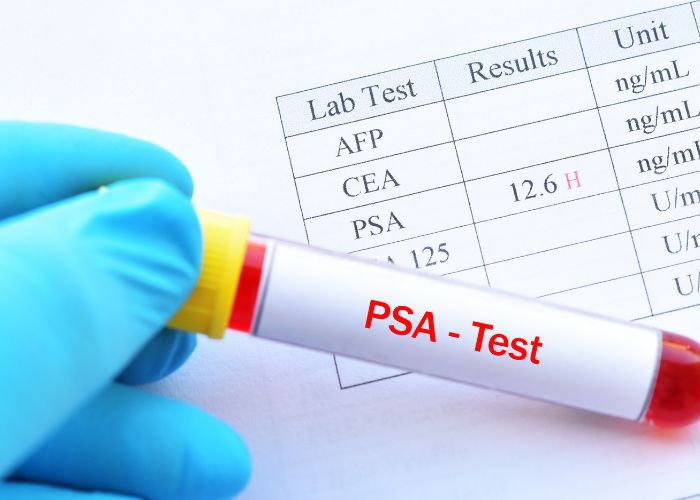
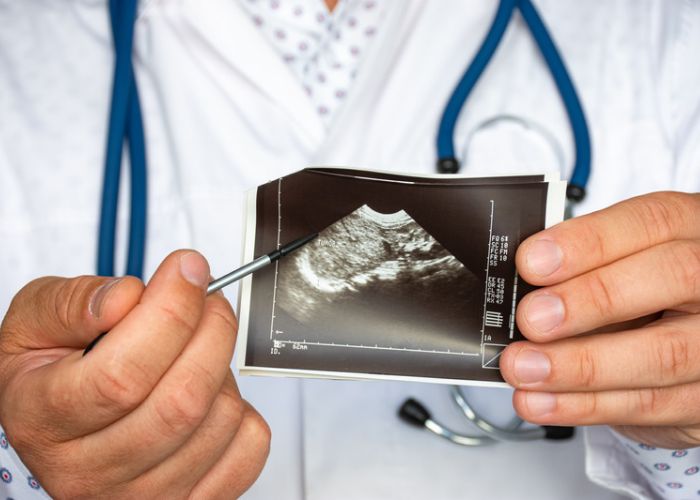
Urine tests and cultures help detect bacteria and guide antibiotic choices. Blood tests or scans may be needed if the infection is severe or complications are suspected. For ongoing pelvic pain, assessment may also consider pelvic floor muscles, bladder function, and other possible causes.
When comparing care options for the best urologist in mumbai, look for careful diagnosis, clear explanations, and an individualised follow-up plan.
Treatment Options for Prostatitis
Antibiotics When Bacteria Are Involved
Bacterial prostatitis is treated with prescribed antibiotics. The choice and duration depend on test findings, severity, and medical history. Severe acute illness may require hospital admission and intravenous treatment. Take medication exactly as directed and report symptoms that worsen or fail to improve.
Relief for Chronic Pelvic Pain
When infection is not present, repeated antibiotic courses are generally not useful. Depending on symptoms, doctors may consider pain medication, medicines that improve urinary flow, pelvic floor physiotherapy, or approaches to managing persistent pain. Finding the right combination may take time.
Everyday Measures That May Help
Warm baths, gentle physical activity, and identifying drinks or foods that worsen urinary discomfort may offer relief. Avoid prolonged sitting if it increases pain. These steps can support medical treatment but should not delay assessment when new symptoms develop.
When Should You Seek Urgent Help?
Fever with urinary pain, severe pelvic discomfort, or an inability to pass urine needs urgent evaluation. Confusion, breathlessness, or rapidly worsening illness may indicate a serious infection and require emergency care.
For people seeking the best urologist in mumbai, prompt access to appropriate treatment is more important than promotional rankings.
Frequently Asked Questions
Can prostatitis improve without antibiotics?
Nonbacterial pelvic pain may improve with tailored care. Suspected bacterial prostatitis needs medical evaluation and usually antibiotics.
Is prostatitis linked to prostate cancer?
They are different conditions. Some symptoms overlap, so an examination may be necessary to identify the cause.
How long does prostatitis treatment take?
Bacterial infections can require several weeks of treatment. Chronic pelvic pain may need longer follow-up and adjustments.
What helps chronic prostatitis pain?
Management may include pelvic floor therapy, symptom-focused medication, and pain-management strategies based on individual findings.
Which specialist treats prostatitis in Mumbai?
A urologist evaluates persistent urinary and pelvic symptoms. When searching for the best urologist in mumbai, consider qualifications and continuity of care.
Can prostatitis affect sexual health?
Yes. Painful ejaculation and other sexual difficulties can occur. Discuss these symptoms with your clinician for appropriate assessment.