

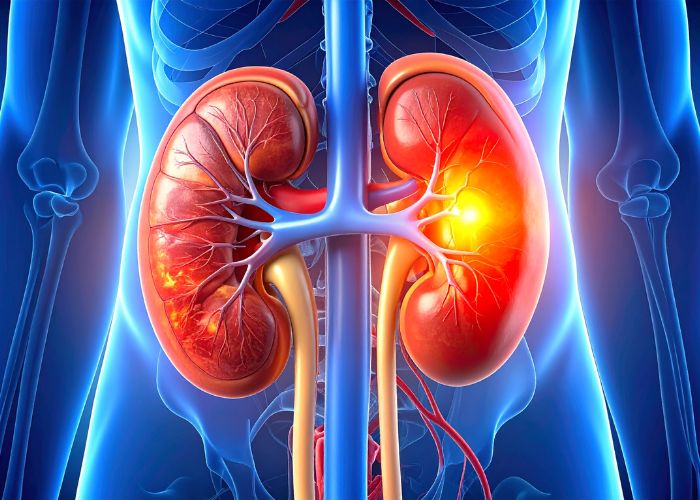
Passing a kidney stone once is painful enough. When it happens again, the obvious question is: why does my body keep making them?
There is rarely one simple answer. Some people do not drink enough water, while others have high levels of calcium, oxalate, or uric acid in their urine. Diet, family history, urinary infections, digestive problems, certain medicines, and underlying health conditions can also contribute.
When consulting the best urologist in Mumbai, the discussion should not stop after the existing stone has passed or been removed. It is equally important to understand how the stone formed and what can be done to reduce the chance of another episode.
A top urologist in Mumbai may recommend blood tests, urine tests, imaging, and laboratory analysis of the stone. People who have experienced stones more than once may also be advised to complete a 24-hour urine collection.
Urine naturally contains minerals and other substances that can form crystals. Usually, these substances remain dissolved and leave the body during urination. Stones may develop when the urine becomes too concentrated or when the balance between stone-forming and protective substances changes.
Citrate, for example, helps prevent certain crystals from joining together. Low citrate levels can therefore make stone formation more likely.
The reason for recurrence differs from one person to another. This is why a prevention plan based only on general food restrictions may not always work.
Not drinking enough fluid is one of the most frequent causes of recurring kidney stones. When the body produces less urine, minerals become more concentrated and crystals form more easily.
This is particularly relevant in Mumbai’s hot and humid climate. People who work outdoors, exercise regularly, travel for long hours, fast, or sweat heavily may lose more fluid than they realise. Diarrhoea and vomiting can also reduce body water quickly.
Drinking a large quantity of water at night does not necessarily make up for drinking very little during the day. Fluid intake is generally more helpful when it is spread across waking hours.
A best urologist in Mumbai may look at the total urine volume recorded during a 24-hour urine test to assess whether hydration is adequate. People with heart or kidney conditions should ask their doctor before making major changes to fluid intake.
Kidney stones are not all the same. Calcium oxalate stones are the most common, but uric acid, struvite, calcium phosphate, and cystine stones require different preventive approaches.
A person with high urinary sodium may need to reduce salt. Someone with high uric acid may need to review animal protein and purine intake. Oxalate restriction may be useful when tests confirm elevated urinary oxalate, but unnecessary restrictions can make meals difficult without providing much benefit.
Many people stop consuming milk or other calcium-rich foods after developing a calcium stone. This is not always advisable. Calcium from food can bind with oxalate in the intestine and reduce the amount absorbed into the body. Very low calcium intake may also affect bone health.
A top urologist in Mumbai or qualified dietitian can recommend changes based on the stone analysis and urine results rather than banning long lists of foods.
Some people continue forming stones despite drinking enough water and following a balanced diet. In these cases, an underlying metabolic or hormonal condition may be involved.
Possible contributors include:
These conditions cannot be identified from symptoms alone. Blood tests and one or more 24-hour urine collections may be required.
Some urinary infections are linked to struvite stones. These stones may grow quickly and can sometimes occupy a large part of the kidney.
Treating the infection is important, but antibiotics alone may not solve the problem if stone material remains in the urinary tract. The remaining stone can provide a place for bacteria to persist, leading to repeated infections.
Fever, chills, burning urination, cloudy urine, or repeated infections alongside kidney stones should be discussed with a urologist.
Inflammatory bowel disease, chronic diarrhoea, and certain intestinal or weight-loss surgeries can alter the way the body absorbs fluids, calcium, and oxalate. As a result, urine volume may fall while oxalate levels rise.
Patients sometimes forget to mention an old digestive operation during a stone consultation. That information can be important because it may completely change the prevention plan.
Kidney stones sometimes run in families. This may reflect shared genes, food habits, environmental conditions, or a combination of these factors. Rare inherited disorders, such as cystinuria, can cause stones from childhood or early adulthood.
Certain prescription medicines and supplements may also affect urine chemistry. Do not stop prescribed medication without medical advice. Instead, show the best urologist in Mumbai a complete list of medicines, vitamins, protein supplements, and herbal products being used.
A recurrence evaluation may include:
Results should be interpreted together. One mildly abnormal value may not fully explain repeated stones, and tests may need to be repeated after dietary changes or treatment.
Seek urgent medical attention when stone pain occurs with fever, chills, repeated vomiting, difficulty passing urine, confusion, or a noticeable reduction in urine output. Severe pain that remains uncontrolled also requires assessment.
A blocked urinary tract combined with infection can become dangerous. Pregnant patients, people with one functioning kidney, and those with existing kidney disease may need earlier evaluation.
Common reasons include dehydration, high sodium intake, abnormal urine calcium or uric acid, low citrate, infections, digestive disorders, medicines, and inherited conditions.
Blood tests, urinalysis, stone analysis, imaging, and 24-hour urine collection can help identify personal risk factors.
Not automatically. Normal food-based calcium may reduce oxalate absorption. Ask a doctor or dietitian before restricting it.
Look for careful metabolic evaluation, stone analysis, individual prevention advice, clear explanations, appropriate follow-up, and coordination with other specialists when required.
Adequate hydration reduces risk, but it cannot prevent every stone. Diet, urine chemistry, medical conditions, and inherited factors may still need attention.
No specialist can guarantee this. Identifying the cause and following a personalised prevention plan can, however, meaningfully reduce recurrence risk.


Dr. Mangesh Patil is a renowned Urologist, and is trained in Endourology and Robotic Surgery , with professional experience of more than 10 years .
© 2024 – Urocare Clinic. All Right Reserved | Maintained By Rebecca Digital