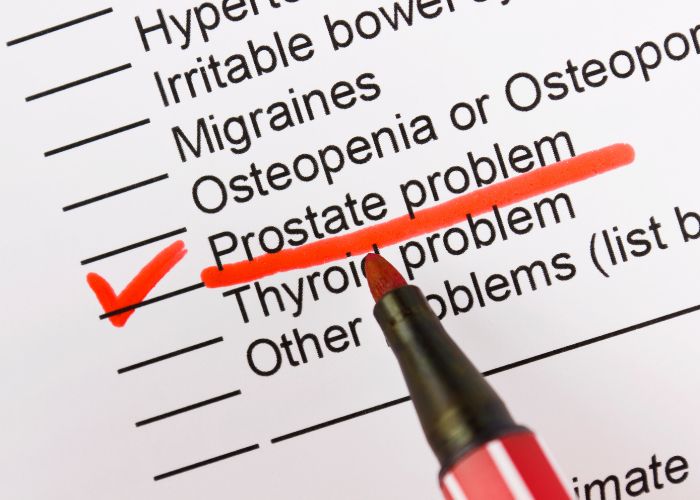

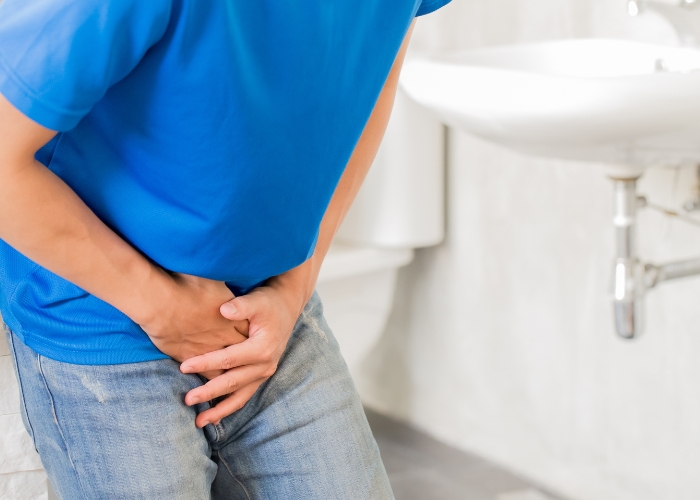
A change in urine flow often happens gradually. You may notice that urination takes longer, the stream is not as strong as before, or the bladder still feels partly full afterwards. Although these symptoms become more common with age, they should not automatically be dismissed as normal ageing.
Weak urine flow usually develops when something narrows the urinary passage or prevents the bladder from contracting properly. The cause may be an enlarged prostate, urethral scar tissue, an infection, bladder stones, medication, or a nerve-related condition.
A consultation with the best urologist in Mumbai can help identify the reason through a medical history, examination, and appropriate tests. A weak stream does not necessarily indicate prostate cancer, but persistent or worsening symptoms should be checked before they lead to urinary retention, infection, or bladder damage.
Weak urine flow means the stream has less force than usual. It may take longer to begin, stop and start during urination, or end with continued dribbling.
You may also experience:
• Difficulty starting urination
• Straining to maintain the stream
• A feeling of incomplete emptying
• Frequent or urgent urination
• Waking repeatedly at night to urinate
• Passing small amounts each time
• Dribbling after leaving the bathroom
Doctors refer to these problems as lower urinary tract symptoms. They can affect both men and women, although prostate-related causes occur only in men.
Weak flow is a symptom rather than a diagnosis. The best urologist in Mumbai will consider several possible causes before recommending treatment.
Benign prostatic hyperplasia, or BPH, is a noncancerous enlargement of the prostate. It becomes increasingly common as men grow older.
The prostate surrounds part of the urethra, which carries urine out of the bladder. As the gland enlarges, it may press against the urethra and restrict urine flow.
Men with BPH may notice delayed starting, a weak or interrupted stream, straining, urgency, nighttime urination, and incomplete emptying. BPH is not cancer, but the symptoms can overlap with other prostate conditions, so an assessment remains important.
A urethral stricture is a narrowing caused by scar tissue inside the urethra. It may develop after an injury, infection, catheter insertion, surgery, or inflammation.
Possible symptoms include a thin or divided stream, painful urination, straining, repeated infections, and difficulty emptying the bladder. The best urologist in Mumbai may use imaging or a small camera examination to locate the narrowed area.
Prostatitis is inflammation of the prostate. It can cause weak flow, burning during urination, pelvic discomfort, frequent urination, painful ejaculation, or difficulty emptying the bladder.
Some cases are caused by bacteria, while others are not. Fever, chills, severe pain, or sudden difficulty passing urine requires prompt medical attention.
A urinary tract infection can irritate and inflame the urinary passage. Common symptoms include burning, urgency, frequent urination, cloudy urine, and discomfort in the lower abdomen.
Because UTIs are less common in men, recurring infections may require investigation to identify prostate enlargement, stones, strictures, or another underlying problem.
Normal urination depends on coordinated signals between the brain, nerves, and bladder. Diabetes, spinal conditions, neurological disorders, previous pelvic surgery, or nerve damage can interfere with this process.
The bladder may not contract strongly enough to empty completely. In some cases, urine remains inside until it causes leakage, infection, or uncomfortable pressure.
Bladder stones may form when urine repeatedly remains in the bladder. A stone can move near the bladder opening and interrupt the stream.
Symptoms may include lower abdominal pain, blood in the urine, repeated infections, or a stream that suddenly stops. An ultrasound or another imaging test can help confirm the diagnosis.
Certain cold medicines, antihistamines, antidepressants, and other drugs can make urination more difficult, especially in people who already have prostate enlargement.
Severe constipation can also increase pressure around the bladder and worsen urinary symptoms. Do not stop prescribed medication independently. Take a complete list of medicines and supplements when visiting the best urologist in Mumbai.
Seek urgent medical care if you cannot pass urine at all, particularly when the lower abdomen becomes painful or swollen. This may be acute urinary retention and often requires immediate bladder drainage.
Other warning signs include:
• Visible blood in the urine
• Fever or chills
• Severe abdominal, pelvic, or back pain
• Vomiting or confusion
• Painful urination that is rapidly worsening
• Reduced urine output with swelling
• Weak flow following an injury
Delaying assessment may increase the risk of infection, bladder stones, bladder damage, or kidney complications.
The best urologist in Mumbai will ask when the problem began, how it has changed, and whether it affects sleep or daily activities. Your medical history, medicines, fluid intake, bowel habits, and previous procedures may also be reviewed.
Tests may include:
• Physical and prostate examination
• Urine testing for infection or blood
• Blood tests for kidney function
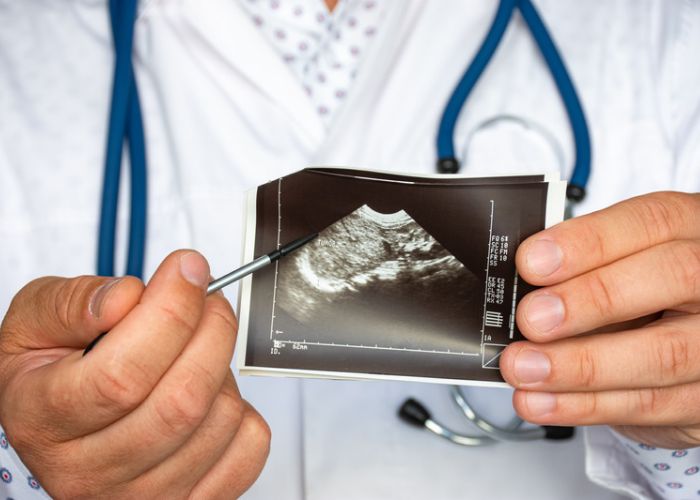
• Ultrasound of the bladder, kidneys, or prostate
• Post-void measurement of urine left in the bladder
• Uroflowmetry to measure the speed of urine flow
• PSA testing when medically appropriate
• Cystoscopy when narrowing is suspected
You may also be asked to maintain a bladder diary recording fluid intake, urination times, approximate volume, urgency, and leakage.
Treatment depends on the cause and severity. Mild symptoms related to prostate enlargement may initially be monitored, particularly when they do not disturb sleep or everyday activities.
Treatment options may include:
• Medicines that relax the prostate and bladder neck
• Medicines that reduce prostate size over time
• Antibiotics for a confirmed bacterial infection
• Treatment for constipation
• Temporary catheterisation for urinary retention
• Procedures to open a urethral stricture
• Removal of bladder stones
• Minimally invasive prostate treatment
• Surgery for significant obstruction
The best urologist in Mumbai should explain why a particular treatment is being recommended, what improvement can reasonably be expected, and which side effects or limitations should be considered.
No. Other possible causes include urethral stricture, infection, bladder stones, medication, constipation, and bladder nerve or muscle problems.
Prostate cancer can cause urinary changes, but benign prostate enlargement is more common. Medical tests are needed to identify the cause.
Consult the best urologist in Mumbai if weak flow persists, worsens, causes straining, interrupts sleep, or occurs with pain, blood, fever, or incomplete bladder emptying.
Adequate hydration supports urinary health, but drinking extra water cannot remove a physical blockage. Excess evening fluids may worsen nighttime urination.
An untreated blockage may cause urinary retention, repeated infections, bladder stones, bladder damage, or kidney problems.
Yes. Depending on the cause, it may be managed with monitoring, lifestyle changes, medication, infection treatment, or minimally invasive procedures.
A urologist diagnoses and treats conditions affecting the urinary system. The best urologist in Mumbai can determine the cause and recommend suitable treatment.


Dr. Mangesh Patil is a renowned Urologist, and is trained in Endourology and Robotic Surgery , with professional experience of more than 10 years .
© 2024 – Urocare Clinic. All Right Reserved | Maintained By Rebecca Digital