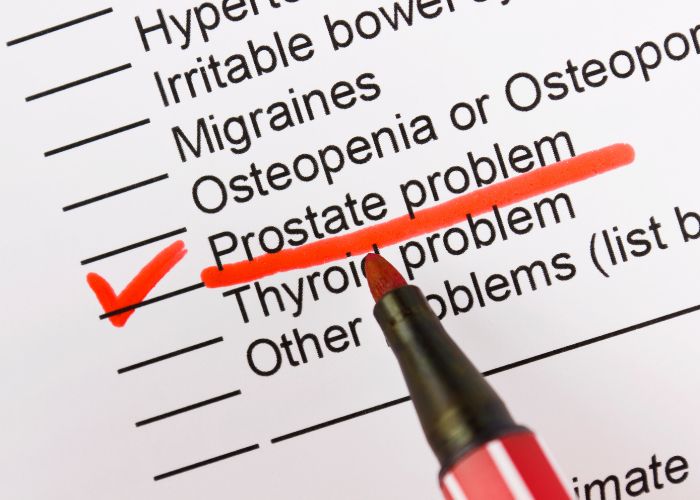


A prostate cancer diagnosis brings up major questions about treatment, recovery, and quality of life. High on that list is how surgery affects sexual function, erections, and intimacy. Talking with an experienced specialist, like the best urologist in Mumbai or a qualified uro onco-surgeon in Mumbai, helps patients understand expected changes and recovery tools.
A radical prostatectomy—removing the prostate gland—can impact the delicate nerves and blood vessels controlling erections. However, recovery looks different for everyone. It depends on your age, general health, baseline sexual function before surgery, cancer stage, and the surgical technique used.
Understanding these potential changes before stepping into the operating room helps patients make smart decisions and talk openly with their care team.
The prostate gland sits right next to the critical nerves and blood vessels that trigger erections. During surgery, the primary goal is removing the cancer completely while preserving surrounding structures whenever possible.
These erection-controlling pathways are called neurovascular bundles. If the tumor’s location allows, surgeons perform a nerve-sparing procedure to protect these pathways, improving your chances of regaining erectile function.
Even with nerve preservation, temporary erectile difficulties are common simply because those sensitive nerves need time to heal from surgical trauma.
Factors influencing recovery include:
A uro onco surgeon in Mumbai weighs these factors when building your treatment plan and setting realistic expectations.
Erectile Function Changes
Trouble getting or keeping an erection is the most frequent concern after a radical prostatectomy because surrounding nerves take a direct hit during the procedure. Some men notice gradual improvement over several months, while others rely on targeted therapies to help support recovery.
Changes in Ejaculation
Because the prostate and seminal vesicles produce semen, you will not ejaculate after your prostate is removed. However, you can still experience orgasms. While the sensation might feel somewhat different, the physical ability to achieve climax remains intact for many patients.
Emotional and Relationship Impact
Changes in your sex life can affect confidence, mental wellbeing, and relationships. Feeling stressed or anxious after treatment is common, making clear communication and support important parts of recovery.
Nerve-sparing surgery is a specialized technique used whenever medically safe. The goal is clearing out cancer while leaving the erectile nerve network untouched.
Not every patient is a candidate. The choice depends on:
An experienced uro onco surgeon in Mumbai evaluates these factors before recommending the safest surgical approach. While nerve-sparing techniques improve the chances of regaining erections, they cannot guarantee immediate or complete recovery for everyone.
Recovery after prostate surgery often involves a structured approach called penile rehabilitation. The goal is to encourage blood flow and support natural tissue healing.
Depending on your individual condition, doctors may recommend:
Because every patient heals differently, treatment plans should be personalized. The best urologist in Mumbai will evaluate your case and create a recovery plan based on your health and goals.
There is no fixed timetable for regaining sexual function after prostate surgery. Some patients notice improvement within a few months, while others may need a year or longer for nerves to recover.
Recovery depends on:
Regular follow-up visits allow your doctor to monitor progress and adjust your recovery plan when needed.
Maintaining sexual health is an important part of quality of life after cancer treatment. Many patients feel uncomfortable discussing these concerns, but open conversations with your partner and healthcare team can make recovery easier.
Helpful approaches include:
Treating prostate cancer requires careful planning to balance cancer control with quality of life after treatment. Working with a specialist experienced in urological oncology helps patients understand treatment options, possible side effects, and recovery expectations.
When choosing the best urologist in Mumbai, consider:
A specialized uro onco surgeon in Mumbai focuses on cancers of the urinary system and male reproductive organs, making them well-equipped to guide complex treatment decisions.
Erectile difficulties are common after surgery, but the severity and recovery timeline depend on age, sexual function before surgery, overall health, and whether nerve preservation was possible.
Yes. Many men experience improvement over time. Recovery may take several months to a few years depending on individual factors.
It is a surgical technique designed to preserve erection-related nerve bundles while safely removing cancerous prostate tissue.
You should schedule a consultation after receiving a prostate cancer diagnosis or when considering surgical treatment options.
The best urologist in Mumbai provides guidance on recovery, manages sexual health concerns, and creates a personalized rehabilitation plan.
Yes. Many men can still experience orgasms after surgery, although ejaculation does not occur because the prostate and seminal vesicles are removed.
Dr. Mangesh Patil is a renowned Urologist, and is trained in Endourology and Robotic Surgery , with professional experience of more than 10 years .
© 2024 – Urocare Clinic. All Right Reserved | Maintained By Rebecca Digital