How Surgeons Decide Whether a Cancer Can Be Removed Robotically
Robotic cancer surgery can offer smaller incisions and precise instrument control, but not every tumor is suitable for this approach. People searching for the best robotic surgeon in Mumbai often want to know whether cancer can be removed safely and completely using robotic surgery. The decision depends on cancer type, tumor size, location, stage, nearby organs, lymph nodes, previous treatments, and overall health.
The main goal is cancer control, not technology. Robotic surgery is considered only when appropriate tumor removal, adequate margins, and patient safety are achievable.
What Does Robotic Cancer Surgery Mean?
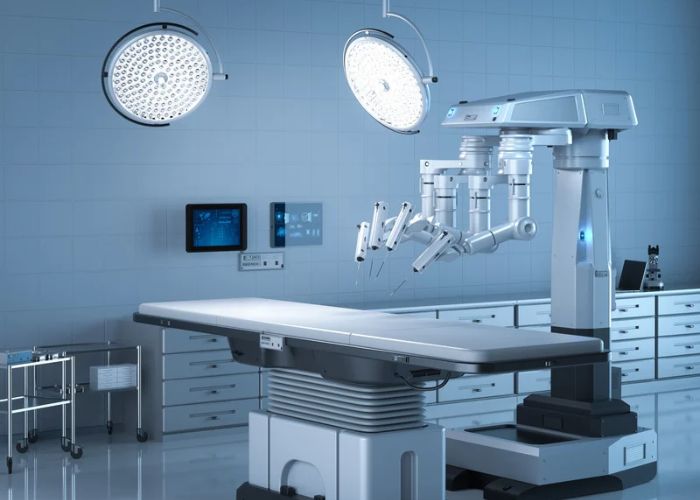
Robotic surgery is minimally invasive. The surgeon controls robotic instruments from a console while viewing the operative field through a camera.
The robot doesn’t operate independently. Every instrument movement is controlled by the surgeon.
For cancer surgery, the question is whether the tumor can be removed appropriately while protecting nearby structures and addressing lymph nodes when required.
1. Cancer Type Is the Starting Point
Robotic surgery is used for selected prostate, kidney, bladder, uterine, colorectal, and head-and-neck cancers.
Suitability varies. A patient consulting the best robotic surgeon in Mumbai should expect recommendations based on the specific cancer, not technology availability.
Some cancers are better managed with open surgery, laparoscopy, radiation, systemic therapy, or combined treatment.
2. Tumor Size and Location Matter
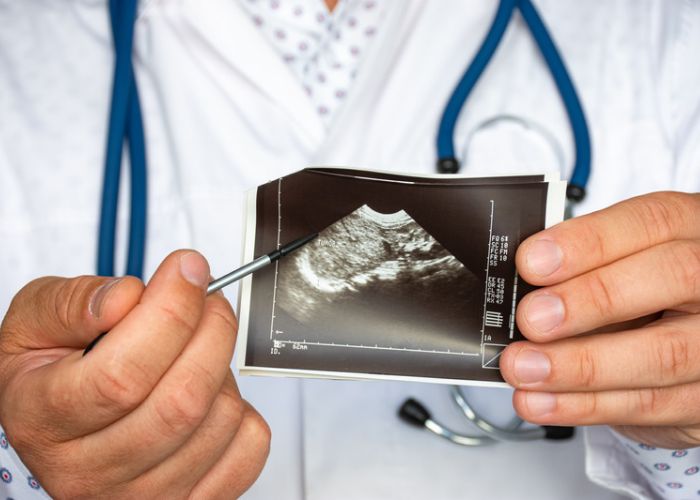
CT, MRI, PET, ultrasound, and other imaging help surgeons locate the tumor.
A smaller, well-positioned tumor may be easier to approach robotically, but size alone doesn’t decide the operation. Surgeons also assess nearby blood vessels, nerves, bowel, urinary structures, and organs.
They also determine whether there’s enough working space for instruments and specimen removal.
3. Stage and Cancer Spread Are Reviewed
Cancer stage helps show how far the disease has progressed. Surgeons assess:
Size and local extent of the tumor
Nearby lymph-node involvement
Spread into adjacent tissues or organs
Evidence of distant metastasis
Surgery generally works best for solid tumors that can be removed from a defined area. Advanced cancer doesn’t always rule out surgery, but it may change timing, purpose, or approach.
4. Clear Surgical Margins Must Be Possible
Cancer surgery aims to remove the tumor completely while obtaining an appropriate margin of surrounding tissue when needed.
After removal, a pathologist checks the specimen. A negative margin means cancer cells aren’t seen at the cut edge.
Before recommending robotics, surgeons judge whether adequate margins are achievable. If open surgery offers safer or more reliable removal, it may be preferred.
Discuss this when seeking the best robotic surgeon in Mumbai for a second opinion.
5. Nearby Organs and Blood Vessels Affect Feasibility
Tumors sometimes grow very close to, or into, important blood vessels and organs.
Imaging helps the surgeon distinguish simple proximity from actual invasion. Extensive involvement can make robotic surgery more difficult and may require reconstruction or a wider operation.
Open surgery may provide better access in some cases; experienced robotic teams may safely operate in others.
6. Lymph-Node Surgery May Be Required
Some cancers require lymph nodes to be sampled or removed because lymph-node findings help determine stage and future treatment.
A robotic approach should allow the surgeon to perform the required lymph-node procedure adequately.
When choosing the best robotic surgeon in Mumbai, ask about experience with your specific cancer operation.
7. Previous Surgery or Radiation Can Increase Complexity
Earlier surgery may leave scar tissue that complicates minimally invasive access. Previous radiation can also alter tissue planes and healing.
Neither factor automatically prevents robotic surgery. Surgeons review previous operation reports, scans, radiation history, and complications before deciding.
8. The Patient’s Overall Fitness Matters
Doctors assess heart and lung health, kidney function, medications, mobility, and ability to tolerate anesthesia.
Some robotic operations require prolonged positioning. If this or anesthesia creates excessive risk, another approach may be safer.
Questions to Ask Before Robotic Cancer Surgery
Useful questions include:
Is robotic surgery appropriate for my cancer stage?
Can adequate margins be achieved?
Will lymph nodes need to be removed?
What could require conversion to open surgery?
How many similar cancer surgeries have you performed?
What are the alternatives?
The best robotic surgeon in Mumbai for an individual patient isn’t necessarily the surgeon who recommends robotics. A suitable specialist should explain why robotic, open, laparoscopic, or another treatment approach best fits the cancer. Individual circumstances still matter greatly.
Frequently Asked Questions
1. Can every cancer be removed robotically?
No. Suitability depends on cancer type, size, location, stage, spread, surrounding anatomy, previous treatments, and overall health.
2. Is robotic surgery better for cancer?
Not automatically. The best approach is the one that can safely achieve appropriate cancer removal while meeting established oncologic principles.
3. How does a surgeon choose robotic or open surgery?
The surgeon reviews imaging, stage, anatomy, expected margins, lymph-node requirements, previous treatments, general health, and technical feasibility.
4. Can robotic surgery be converted to open surgery?
Yes. Conversion may be necessary if unexpected bleeding, difficult anatomy, extensive disease, scar tissue, or another safety concern occurs.
5. Can advanced cancer be treated robotically?
Sometimes. Suitability depends on the cancer and treatment plan. Some patients may need chemotherapy, radiation, combined treatment, or open surgery.
6. How do I choose the best robotic surgeon in Mumbai?
Look for relevant specialist training, experience with your exact cancer operation, transparent discussion of alternatives and risks, and recommendations focused on cancer outcomes rather than technology alone.