Blood in Urine (Hematuria): Causes and When It Is Serious
- Oct 1, 2024
Blood in Urine (Hematuria): Causes and When It Is Serious
Spotting blood in your urine can be frightening. For many people, it’s the kind of thing that immediately leads to panic and late-night internet searches. Medically, we call this condition hematuria. Sometimes the blood is clearly visible, turning urine pink, red, or even brownish. In other cases, it’s only discovered during a routine urine test.
Not every case of hematuria points to a dangerous disease, but it’s never something you should ignore. Something as simple as a urinary tract infection might be the culprit, while in other situations, it could signal kidney stones, prostate problems, or even cancer. This is why consulting a top urologist in Mumbai becomes important, especially if the problem sticks around or appears alongside pain, fever, or difficulty urinating.
Many patients delay treatment because the bleeding stops on its own after a day or two. Don’t let that temporary improvement fool you. Even a single episode deserves a check-up from a top urologist in Mumbai to identify the actual cause before complications develop.
Understanding Hematuria
Hematuria simply means blood is present in the urine. Doctors generally classify it into two types.
Gross Hematuria
This is when blood is visible to the naked eye. The urine may look pink, red, or cola-colored depending on how much blood is mixed in.
Microscopic Hematuria
In microscopic hematuria, the urine looks completely normal. However, laboratory testing reveals red blood cells in the sample.
Some people discover microscopic hematuria accidentally during annual health checkups. Even when there are no symptoms, a top urologist in Mumbai may still recommend tests to rule out hidden urinary tract problems.
Common Causes of Blood in Urine
There are several possible reasons for hematuria. Some are mild and temporary, while others require immediate medical treatment.
Urinary Tract Infections (UTIs)
A urinary tract infection is one of the most common causes of blood in urine. Bacteria entering the urinary system can irritate the bladder lining and trigger inflammation.
Typical symptoms include:
• Burning sensation during urination
• Frequent urge to urinate
• Strong-smelling urine
• Lower abdominal discomfort
• Mild fever in some cases
Many people assume UTIs are minor, but untreated infections can spread toward the kidneys. A top urologist in Mumbai can confirm the diagnosis through urine testing and start proper treatment before things get worse.
Kidney Stones
Kidney stones are another major reason for hematuria. These hard mineral deposits can scratch the urinary tract while moving, causing bleeding and severe pain. Patients often describe kidney stone pain as sudden and unbearable. It may begin in the back or side and travel downward toward the groin.
Symptoms may include:
• Sharp side or back pain
• Blood in urine
• Nausea or vomiting
• Difficulty urinating
• Frequent urination
Small stones sometimes pass naturally, but larger stones may need laser treatment or lithotripsy. Seeking help from a top urologist in Mumbai early can prevent infection and urinary blockage.
Enlarged Prostate
In men above the age of 50, an enlarged prostate can lead to urinary symptoms and hematuria. As the prostate grows, it presses against the urethra and interferes with urine flow.
Common symptoms include:
• Weak urine stream
• Difficulty starting urination
• Frequent urination at night
• Feeling that the bladder is not fully empty
Some men ignore these warning signs for years because they assume it’s just “normal aging.” However, evaluation by a top urologist in Mumbai is important to rule out serious prostate conditions and improve quality of life.
Kidney Infections
Kidney infections are more serious than standard urinary infections. They can develop when bacteria travel upward from the bladder into the kidneys.
Symptoms often include:
• Fever and chills
• Back or side pain
• Burning urination
• Nausea
• Blood in urine
Without proper treatment, kidney infections may permanently damage kidney tissue. A top urologist in Mumbai can diagnose the condition quickly and begin targeted treatment.
Bladder or Kidney Cancer
One of the most important reasons blood in urine shouldn’t be ignored is the possibility of urinary tract cancer. In many cases, bladder cancer causes painless bleeding in the early stages. Patients may notice blood once and then feel completely fine afterward. Unfortunately, this often leads to a delayed diagnosis.
Risk factors include:
• Smoking
• Chemical exposure
• Chronic urinary infections
• Family history of cancer
• Increasing age
A top urologist in Mumbai may recommend imaging scans, urine cytology, or cystoscopy to identify abnormal growths inside the urinary tract.
Exercise-Induced Hematuria
Intense physical activity can occasionally cause temporary blood in urine. Marathon runners and athletes sometimes experience this after prolonged workouts. Usually, the bleeding disappears within a short period. Still, recurring episodes should be evaluated by a top urologist in Mumbai to ensure there isn’t a hidden medical condition.
Kidney Diseases
Certain kidney disorders affect the filtering system inside the kidneys and may result in hematuria.
Examples include:
• Glomerulonephritis
• IgA nephropathy
• Chronic kidney disease
These conditions sometimes develop silently over time. A patient may feel healthy while microscopic blood loss continues unnoticed. Early diagnosis by a top urologist in Mumbai can help prevent long-term kidney damage.
When Blood in Urine Becomes Serious
Some people wait for pain before seeking treatment, but painless hematuria can also indicate serious disease.
You should immediately consult a top urologist in Mumbai if blood in urine is associated with:
• Persistent bleeding
• Blood clots in urine
• Severe back or abdominal pain
• Fever or chills
• Difficulty passing urine
• Unexplained weight loss
• Repeated urinary infections
These symptoms may point toward kidney stones, tumors, severe infections, or urinary obstruction.
How Hematuria Is Diagnosed
Diagnosing the cause of hematuria involves more than just a urine test. A complete evaluation helps identify the exact source of bleeding.
A top urologist in Mumbai may recommend:
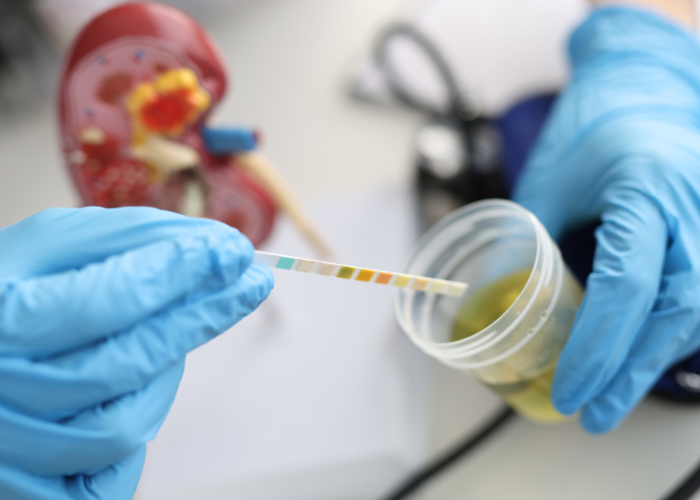
Urine Analysis
Checks for blood cells, infection, bacteria, or abnormal protein levels.
Blood Tests
Used to evaluate kidney function and identify infection or inflammation.
Ultrasound or CT Scan
Imaging tests help detect stones, tumors, kidney swelling, or structural abnormalities.
Cystoscopy
A thin camera is inserted into the bladder to examine the urinary tract internally.
Kidney Function Tests
These help determine how efficiently the kidneys are filtering waste products.
Treatment Options for Hematuria
Treatment depends entirely on the underlying cause.
• Antibiotics are commonly used for infections.
• Stone Removal: Kidney stones may require laser procedures or lithotripsy.
• Medication: Enlarged prostate conditions can often be managed with specific meds.
• Surgery may be necessary for tumors or severe urinary tract problems.
One thing doctors notice frequently is that patients who seek help early usually recover faster and avoid major complications. This is why timely consultation with a top urologist in Mumbai matters so much.
Ways to Reduce the Risk of Hematuria
While you can’t prevent every cause, healthy habits can lower the risk significantly.
• Drink Enough Water: Good hydration helps flush bacteria and reduces stone formation.
• Avoid Smoking: Smoking is strongly linked to bladder and kidney cancer.
• Do Not Ignore Urinary Symptoms: Burning urination or repeated infections should always be checked.
• Maintain Proper Hygiene: Good hygiene reduces the chances of urinary infections.
• Schedule Regular Health Checkups: Routine screening can identify urinary tract problems early, even before symptoms appear.
FAQs
1. Is blood in urine always dangerous?
Not always, but it should never be ignored because it may indicate infections, kidney stones, or urinary tract cancer.
2. Which doctor should I consult for hematuria?
You should consult a top urologist in Mumbai for proper diagnosis and treatment.
3. Can dehydration cause blood in urine?
Severe dehydration may irritate the urinary tract, but persistent bleeding requires medical evaluation.
4. Can kidney stones cause blood in urine without severe pain?
Yes, some stones may initially cause only mild discomfort or microscopic bleeding.
5. How is hematuria diagnosed?
Diagnosis usually includes urine tests, blood tests, imaging scans, and cystoscopy.
6. Is painless blood in urine serious?
Yes, painless hematuria can sometimes be an early sign of bladder or kidney cancer.
7. Can urinary infections lead to blood in urine?
Yes, UTIs commonly cause irritation and bleeding in the urinary tract.
8. When should I see a urologist immediately?
You should seek immediate medical attention if blood in urine is persistent or associated with pain, fever, blood clots, or difficulty urinating.
Latest Posts



Tags

Dr. Mangesh Patil is a renowned Urologist, and is trained in Endourology and Robotic Surgery , with professional experience of more than 10 years .
Quick Links
Urocare Clinic
HN Reliance Hospital
© 2024 – Urocare Clinic. All Right Reserved | Maintained By Rebecca Digital
