Small Kidney Tumour: Should It Be Monitored or Removed?
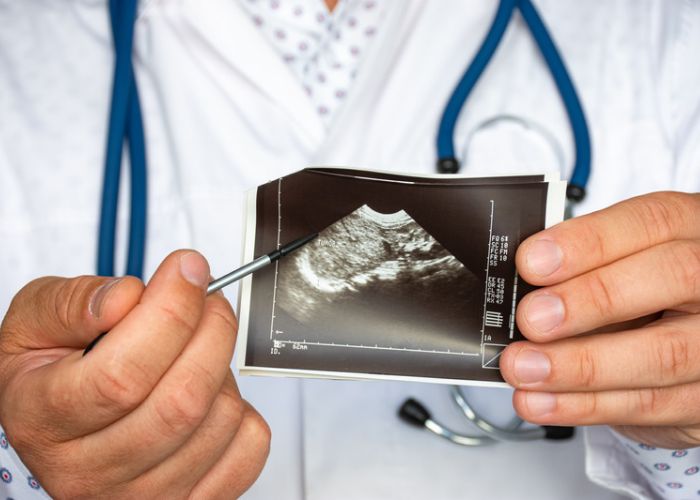
Imagine going for an ultrasound because of stomach discomfort and hearing that a small growth has appeared on your kidney. Your first thought might be, “Does this mean cancer?” The next question often follows quickly: “Will I need surgery?”
Not necessarily. Some kidney masses are harmless, and some small cancers grow slowly enough that monitoring is a reasonable option. Others should be treated sooner. If you are looking for a top uro oncologist in mumbai, understanding these choices can make your appointment less overwhelming.
The decision depends on more than size. Doctors consider scan findings, kidney function, age, other medical conditions, and what matters to you. There is no single answer that fits everyone. Your preferences also matter, particularly how you feel about repeated scans, surgical recovery, and uncertainty over time.
What Does “Small Kidney Tumour” Mean?
Doctors generally use the term small renal mass for a kidney growth measuring four centimetres or less. Many turn up unexpectedly during scans requested for unrelated problems.
A growth is not automatically cancer. Some are benign, while others are renal cell carcinomas. CT or MRI scans provide clues about its appearance and location, although imaging cannot always confirm precisely what it is.
That uncertainty is why a proper review matters before choosing surveillance or treatment.
Why Would a Doctor Recommend Monitoring?
Being told to watch a tumour instead of removing it may sound strange. But active surveillance is a planned approach, not a decision to do nothing.
It may be considered when:
The mass measures less than two centimetres.
Scan features suggest relatively low risk.
A person has medical conditions that increase surgical risk.
Protecting existing kidney function is especially important.
The patient prefers monitoring after understanding the uncertainties.
An experienced top uro oncologist in mumbai should discuss what surveillance involves, including the possibility that treatment becomes necessary later.
What Happens During Active Surveillance?
Monitoring usually involves repeat imaging with ultrasound, CT, or MRI. A first follow-up scan may be scheduled after approximately three to six months, with later appointments adjusted to individual findings.
The team looks for changes in size, appearance, and growth over time. They also review symptoms and kidney function. A tumour getting slightly bigger does not automatically mean it is dangerous, but meaningful growth or concerning imaging changes can alter the plan.
Ask for a written follow-up schedule. Knowing when your next scan is due can make a stressful situation easier to manage.
When Is Surgery the Better Option?
Consider two people with similarly sized tumours. One is older, has several serious illnesses, and has a stable mass. The other is younger, otherwise healthy, and has imaging findings that raise concern. Their treatment recommendations may be different.
Removal is more likely to be advised when the tumour appears aggressive, grows significantly, causes symptoms, or presents a higher risk of progression. Its position within the kidney matters too.
Even a mass measuring less than four centimetres may need treatment. Equally, size alone should not decide whether someone undergoes surgery.
What Treatments Are Available?
Partial nephrectomy removes the tumour while preserving healthy kidney tissue. For many suitable small, localised kidney cancers, this is the preferred operation because maintaining kidney function is important.
Radical nephrectomy removes the whole kidney. It may be appropriate when tumour complexity or location makes partial removal unsafe or impractical.
Thermal ablation uses extreme cold or heat to destroy tumour tissue. It can suit selected patients who are not ideal surgical candidates, although repeat treatment or local recurrence remains possible. A biopsy is generally recommended before ablation.
Surgery may be performed using open, laparoscopic, or robotic techniques. The safest approach depends on the case, rather than the technology sounding most advanced.
Will You Need a Kidney Biopsy?
Sometimes. A biopsy collects a small tissue sample that may help distinguish benign disease from cancer. It is particularly useful when the result could change whether you monitor or treat the mass.
However, biopsies can occasionally produce inconclusive results. Some clearly benign cysts need no biopsy, while certain suspicious masses may proceed directly to surgery following specialist assessment.
Questions Worth Asking at Your Appointment
When consulting a top uro oncologist in mumbai, bring your previous scans and a list of questions:
What do my scans suggest about cancer risk?
Could monitoring be safe for me?
What changes would trigger treatment?
Can surgery preserve most of my kidney?
Would a biopsy help us decide?
What are the risks of each option?
A good discussion should help you understand the trade-offs without feeling rushed.
Frequently Asked Questions
Is every small kidney tumour cancerous?
No. Some kidney masses are benign. Imaging and, occasionally, biopsy help doctors assess their nature.
Can a two-centimetre kidney tumour be monitored?
Yes. Active surveillance may be appropriate for selected small masses after an individual risk assessment.
How fast do small kidney tumours grow?
Growth rates vary. Many grow slowly, but regular scans are needed to identify important changes.
Is robotic surgery always better?
No. Outcomes depend on tumour complexity, patient health, and surgical expertise, not technology alone.
Can kidney cancer return after removal?
Yes. Recurrence is possible, so follow-up remains important even after successful treatment.
How do I choose a top uro oncologist in mumbai?
Look for relevant training, kidney cancer experience, clear explanations, and access to multidisciplinary care.