

A diagnosis of bladder cancer does not automatically mean robotic surgery will be needed. Treatment depends mainly on how deeply the cancer has grown into the bladder wall, whether it has spread, and how likely it is to return or progress.
Robotic surgery is generally considered when a person needs an operation to remove part or all of the bladder and a minimally invasive approach is suitable. The procedure most often performed is robot-assisted radical cystectomy. It involves removing the bladder, nearby tissues, and pelvic lymph nodes, followed by the creation of a new way for urine to leave the body.
Before recommending surgery, a Robotic Surgeon in Mumbai will review the biopsy, scans, cancer stage and grade, previous treatment, general health, and the patient’s preferences. The first decision is whether bladder removal is necessary. Only then should the medical team decide whether an open or robotic operation is more appropriate.
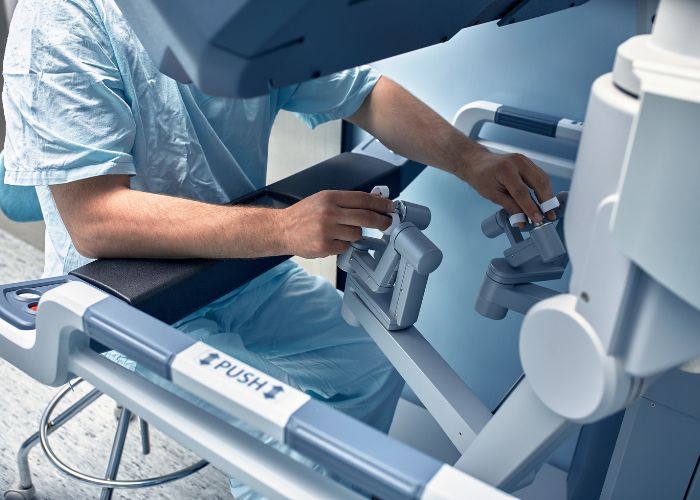
Robotic surgery is performed through several small incisions in the abdomen. The surgeon sits at a console and controls the surgical instruments while viewing an enlarged, three-dimensional image of the operating area.
The robotic system does not make decisions or move by itself. Every movement is controlled by the surgeon.
During a radical cystectomy, the bladder is removed along with selected surrounding structures. The exact tissues removed depend on the tumour’s position, extent, and the patient’s anatomy. Pelvic lymph nodes are also commonly removed to check for cancer spread and improve local cancer control.
Once the bladder has been removed, the surgeon must create another route for urine. The main options include:
An ileal conduit, which drains urine into an external bag
A neobladder, which creates an internal bladder-like reservoir
A continent urinary reservoir drained using a catheter
Not every option is suitable for every patient. A Robotic Surgeon in Mumbai should explain how each diversion works, its possible complications, and the adjustments required after surgery.
Radical cystectomy is an established treatment for bladder cancer that has grown into the muscle layer of the bladder but has not spread widely to distant organs.
Eligible patients may receive cisplatin-based chemotherapy before surgery. This is called neoadjuvant chemotherapy and is used to treat cancer cells that may have moved beyond the bladder but are too small to appear on scans.
A robotic operation may be considered when the surgeon believes the tumour and lymph nodes can be removed completely and safely using a minimally invasive technique.
Some bladder cancers have not reached the muscle but still carry a substantial risk of returning or becoming invasive. Surgery may be discussed when there is extensive high-grade disease, carcinoma in situ, or other very high-risk features.
Radical cystectomy may also be considered when high-risk cancer continues or returns despite appropriate BCG treatment. In these situations, waiting too long may allow the cancer to progress into the muscle or spread elsewhere.
The choice is rarely based on one test alone. Pathology findings, cystoscopy results, response to earlier treatment, and the patient’s overall condition all contribute to the decision.
Selected patients with muscle-invasive cancer may receive bladder-preserving treatment involving tumour removal through the urethra, chemotherapy, and radiation.
If the cancer does not respond fully or returns later, removal of the bladder may be required. This is known as salvage cystectomy. Previous radiation can make the operation more complex, so the suitability of a robotic approach must be considered carefully.
A partial cystectomy removes only the section of the bladder containing the tumour. It is used far less often than radical cystectomy because bladder cancer can occur in more than one area.
Robotic partial cystectomy may be an option when the tumour is solitary, favourably located, and removable with a clear margin while leaving enough healthy bladder behind. Regular cystoscopy is still needed because cancer can return elsewhere in the remaining bladder.
Robotic cystectomy remains a major operation even though it uses smaller incisions. Doctors consider both the cancer and the patient’s ability to recover.
The assessment usually includes:
Cancer stage, grade, size, location, and number of tumours
CT or MRI findings
Evidence of lymph-node or distant spread
Response to earlier treatment
Heart, lung, and kidney function
Nutritional health and physical fitness
Frailty and mobility
Previous abdominal or pelvic surgery
Previous pelvic radiotherapy
The most suitable type of urinary diversion
Age alone should not decide whether someone can undergo surgery. A fit older adult may tolerate the procedure better than a younger person with serious heart, lung, or kidney disease.
A Robotic Surgeon in Mumbai may work with a medical oncologist, anaesthetist, radiologist, pathologist, and rehabilitation team before making a recommendation.
For suitable patients, robotic cystectomy may offer:
Smaller abdominal incisions
Less blood loss during surgery
Reduced need for blood transfusion
Less postoperative discomfort for some patients
Earlier movement after surgery
A potentially shorter hospital stay
These benefits are not guaranteed. Recovery also depends on age, fitness, complications, urinary diversion, nutrition, pain control, and the hospital’s postoperative care programme.
Robotic surgery does not automatically provide better cancer control than open surgery. The most important goals are complete cancer removal, clear surgical margins, proper lymph-node dissection, and safe urinary reconstruction.
Possible complications include:
Bleeding or infection
Blood clots
Bowel obstruction or delayed bowel recovery
Urine leakage
Urinary tract infections
Kidney problems
Sexual or reproductive changes
Complications involving the urinary diversion
The operation may take longer than open surgery. In some cases, the surgeon may need to convert to an open procedure because of bleeding, scar tissue, unexpected anatomy, or concerns about removing the cancer safely. Conversion is a safety decision rather than a surgical failure.
Robotic surgery may not be advised when cancer has spread widely and bladder removal is unlikely to provide meaningful benefit. It may also be unsuitable if the patient cannot safely tolerate a lengthy operation.
Extensive local disease, severe internal scarring, complex anatomy, or previous radiation may lead the surgeon to recommend an open procedure. However, these factors do not automatically exclude robotic surgery.
The presence of robotic equipment should never determine the treatment plan. A responsible Robotic Surgeon in Mumbai should also discuss open surgery, bladder-preserving treatment, chemotherapy, immunotherapy, clinical trials, and supportive care where appropriate.
1. Is robotic surgery used for early bladder cancer?
Most early bladder cancers are removed through the urethra using transurethral resection. Robotic surgery is usually reserved for selected high-risk, recurrent, or muscle-invasive cancers.
2. Is robotic cystectomy better than open cystectomy?
Both techniques can provide effective cancer treatment. The better option depends on the cancer, the patient’s health, the surgeon’s experience, and available hospital resources.
3. Does robotic radical cystectomy remove the whole bladder?
Yes. Radical cystectomy removes the entire bladder, selected nearby structures, and pelvic lymph nodes. Partial cystectomy removes only one section of the bladder in carefully selected cases.
4. How should I choose a Robotic Surgeon in Mumbai?
Ask about specialist training, experience with robotic cystectomy, urinary diversion skills, complication rates, hospital support, multidisciplinary planning, and postoperative follow-up.
5. Is chemotherapy required before robotic surgery?
Cisplatin-based chemotherapy is often considered before radical cystectomy for eligible patients with muscle-invasive bladder cancer. Kidney function and general health affect suitability.
6. Can bladder cancer be treated without removing the bladder?
Some patients may qualify for bladder-preserving treatment using transurethral tumour removal, chemotherapy, and radiation. Careful selection and regular follow-up are essential.
7. How long does recovery take after robotic cystectomy?
Recovery differs between patients. It depends on overall health, complications, the urinary diversion used, and how quickly normal eating, walking, and daily activities resume.
Dr. Mangesh Patil is a renowned Urologist, and is trained in Endourology and Robotic Surgery , with professional experience of more than 10 years .
© 2024 – Urocare Clinic. All Right Reserved | Maintained By Rebecca Digital