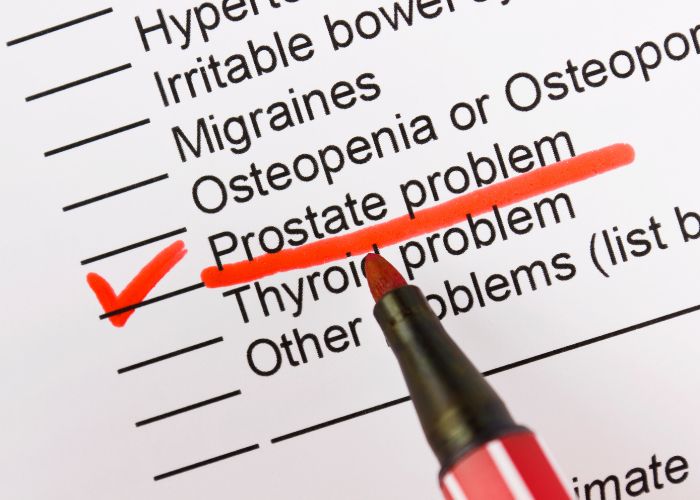

Urinary changes become more common after 50, but that does not mean they should be accepted as an unavoidable part of ageing. A weaker stream, frequent urination, sudden urgency, leakage or repeated nighttime bathroom visits may have several causes. These include prostate enlargement, bladder conditions, infection, urinary stones, diabetes and the effects of certain medicines. Less commonly, cancer may be responsible.
Men looking for the best urologist in Mumbai usually want to understand which symptoms need attention and what tests may be required. A careful urological assessment looks at the complete pattern rather than assuming every man over 50 has the same prostate problem. The type of symptoms, when they began, current medicines, medical history, examination findings and test results all help identify the cause.
The prostate is located below the bladder and surrounds part of the urethra, the tube that carries urine out of the body. It often becomes larger with age. This noncancerous enlargement is known as benign prostatic hyperplasia, or BPH.
As the prostate grows, it may narrow the urethra or make it harder for the bladder to empty fully. However, the prostate is not always the only cause. Age-related changes in bladder strength and control can produce similar symptoms.
Diabetes, neurological conditions, constipation, obesity, sleep apnoea and some medicines may also affect urination. The best urologist in Mumbai should consider these possibilities before deciding whether the prostate is responsible.
Symptoms may develop gradually, making them easy to overlook. Common lower urinary tract symptoms include:
• Difficulty starting the urine stream
• A weak, slow or interrupted flow
• Straining while passing urine
• Dribbling after finishing
• Feeling that the bladder has not emptied
• Urinating more frequently
• A sudden urge that is difficult to control
• Waking several times at night to urinate
• Accidental urine leakage
• Burning, pain or visible blood in the urine
Symptom severity does not always match prostate size. A slightly enlarged prostate may cause significant difficulty in one person, while someone with a larger prostate may experience few problems.
An assessment by the best urologist in Mumbai should focus on how the symptoms affect sleep and daily activities, as well as whether complications are developing.
BPH is common after 50 and is not cancer. It may cause hesitation, weak flow, urgency, frequent urination, incomplete emptying and nocturia, which means waking at night to urinate.
Treatment depends on symptom severity, bladder emptying, prostate size, other health conditions and individual preferences.
Burning, urgency, cloudy urine, pelvic discomfort, fever or difficulty urinating may be linked to a urinary infection or inflammation of the prostate.
Men who develop fever, chills, vomiting or increasing weakness alongside urinary symptoms should seek prompt medical care.
An overactive bladder causes sudden urgency, frequent urination and sometimes leakage. It may occur independently or alongside an enlarged prostate.
The best urologist in Mumbai may therefore assess both prostate health and bladder function instead of assuming that an obstruction is the only explanation.
Stones in the kidney, ureter or bladder may cause pain, blood in the urine, burning, interrupted flow, nausea or repeated infections. Symptoms depend on the stone’s size and location.
Early prostate cancer often produces no obvious urinary symptoms. Persistent urinary changes, blood in the urine, unexplained weight loss or bone pain require evaluation, although these symptoms do not automatically mean cancer.
Visible blood in the urine should be investigated even when it is painless or happens only once.
Seek immediate medical help if you:
• Cannot pass urine despite having a painful, full bladder
• Notice heavy bleeding or blood clots in your urine
• Develop fever and chills with urinary symptoms
• Experience severe pain in the side or lower abdomen
• Have vomiting, confusion or marked weakness
Acute urinary retention means being suddenly unable to urinate. It may require immediate catheter drainage to relieve pressure on the bladder. After stabilisation, the best urologist in Mumbai can investigate the underlying cause.
The evaluation usually starts with a discussion about fluid intake, nighttime urination, stream strength, urgency, leakage, pain and medicines. A bladder diary or symptom questionnaire may help document the pattern.
Tests may include:
• Urinalysis and urine culture
• Blood tests to assess kidney function
• PSA testing after an informed discussion
• Physical and prostate examination
• Ultrasound of the kidneys, bladder and prostate
• Measurement of urine left after emptying the bladder
• Urine-flow testing
• Cystoscopy or additional imaging when required
PSA is not a standalone cancer test. Prostate enlargement, inflammation, infection and recent procedures may affect the result. The best urologist in Mumbai will interpret PSA alongside age, examination findings, earlier values and individual risk factors.
Mild symptoms that do not interfere significantly with daily life may be monitored through regular check-ups. Lifestyle adjustments, including reducing late-evening fluids and limiting caffeine or alcohol, may also help some men.
Medicines may be prescribed to relax muscles around the prostate and bladder neck, reduce prostate size, manage bladder urgency or treat infection.
A procedure or surgery may be considered when medicines do not provide enough relief or when complications develop. These complications may include urinary retention, repeated infections, bladder stones, bleeding or effects on kidney function.
The best urologist in Mumbai should explain the expected benefits, possible side effects, recovery period and available alternatives. The appropriate choice depends on prostate size, symptom severity, sexual health priorities, other medical conditions and personal preference.
It becomes more common with age but should not automatically be considered normal. Prostate enlargement, diabetes, bladder conditions, infection, medicines and fluid intake may contribute.
Possible causes include prostate enlargement, narrowing of the urethra, reduced bladder muscle strength, infection or medicine effects. An examination can help identify the reason.
No. BPH is noncancerous and does not develop into prostate cancer. However, both conditions can occur in the same age group and require separate evaluation.
Repeatedly waking to urinate deserves attention when it disrupts sleep or represents a new change. Prostate conditions, bladder problems, diabetes, sleep apnoea and evening fluid intake may contribute.
Visible blood should be assessed promptly, even when it is painless or occurs only once. Causes may include infection, stones, prostate enlargement, kidney disease, medicines or urinary tract cancers.

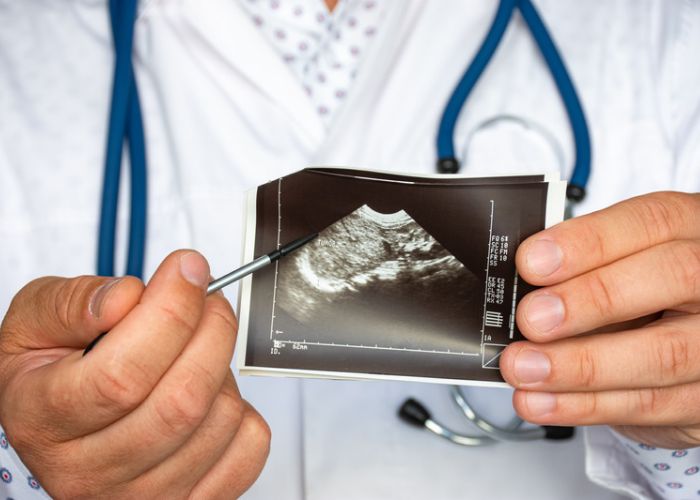

Dr. Mangesh Patil is a renowned Urologist, and is trained in Endourology and Robotic Surgery , with professional experience of more than 10 years .
© 2024 – Urocare Clinic. All Right Reserved | Maintained By Rebecca Digital