

Being diagnosed with a urological cancer can feel overwhelming, and one of the first major decisions patients face is choosing the right treatment approach. Surgery remains a key treatment option for many cancers affecting the prostate, kidney, bladder, and urinary tract. Today, patients often hear about robotic surgery and wonder how it compares with traditional open surgery.
Understanding the differences between these two approaches can help patients have more informed discussions with the best urologist in Mumbai and make treatment decisions that align with their medical needs and personal preferences.
While both robotic and traditional surgery aim to remove cancer effectively, they differ in how the procedure is performed, the recovery experience, and certain surgical outcomes. The best urologist in Mumbai will consider factors such as the type of cancer, its stage, overall health, and treatment goals before recommending the most suitable surgical option.
Traditional surgery, often called open surgery, has been used successfully for decades to treat urological cancers. In this approach, the surgeon makes a larger incision to directly access the affected organ and surrounding tissues.
Because the surgical area is fully exposed, open surgery can be particularly valuable in complex cancer cases where extensive tissue removal or reconstruction may be required. Even with advances in technology, traditional surgery continues to play an important role in modern urological cancer care.
• Direct access to the affected organ and surrounding structures
• Effective for complex and advanced-stage cancers
• Proven long-term outcomes across a wide range of procedures
• Available in most major healthcare facilities
• Larger incision and more visible scarring
• Increased blood loss during surgery
• Longer hospital stay
• Greater postoperative discomfort
• Longer recovery period before returning to daily activities
Many patients consulting the best urologist in Mumbai often ask whether newer surgical technologies can provide the same cancer control while reducing recovery time and physical discomfort.
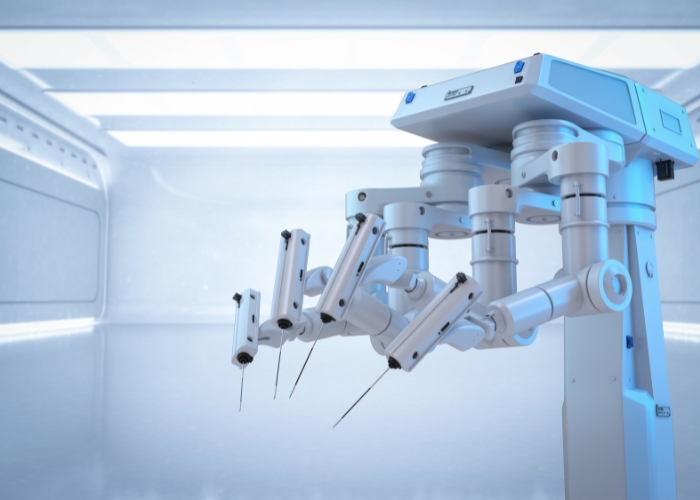
Robotic surgery is a minimally invasive surgical technique that uses a robotic platform controlled entirely by the surgeon. Despite its name, the robot does not make decisions or perform the procedure independently. Every movement is directed by the surgeon in real time.
During robotic surgery, several small incisions are made through which specialized instruments and a high-definition camera are inserted. The system provides a magnified three-dimensional view of the surgical field, allowing the surgeon to perform highly precise movements.
Over the last decade, robotic-assisted surgery has become increasingly common for treating prostate cancer, kidney cancer, and selected bladder cancer cases.
The robotic platform converts the surgeon’s hand movements into highly precise instrument movements inside the body. These instruments are designed to move with a greater range of motion than the human hand, making it easier to work in narrow and delicate anatomical areas.
• High-definition 3D visualization
• Enhanced precision and control
• Reduced hand tremor impact
• Improved instrument flexibility
• Better access to difficult-to-reach areas
The best urologist in Mumbai may recommend robotic surgery when it offers a clear advantage for a patient’s specific condition and treatment goals.
Incision Size
One of the most noticeable differences is the size of the incision. Traditional surgery requires a larger opening, while robotic surgery uses several small incisions. Smaller incisions generally mean less tissue trauma and faster healing.
Blood Loss
Studies have shown that robotic surgery is often associated with lower blood loss compared to open surgery. As a result, patients may have a reduced need for blood transfusions.
Pain and Recovery
Because robotic surgery is minimally invasive, patients often experience less postoperative pain. Many are able to walk, eat, and resume routine activities sooner than those undergoing traditional surgery.
Hospital Stay
Patients who undergo robotic procedures frequently spend fewer days in the hospital. Shorter hospitalization can contribute to a smoother recovery experience and a quicker return to normal life.
Surgical Precision
Robotic systems provide excellent visualization and control, especially when operating near delicate nerves and blood vessels. This precision can be particularly beneficial during prostate and kidney cancer surgeries.
Prostate Cancer
Robotic-assisted radical prostatectomy is one of the most commonly performed robotic procedures worldwide. The enhanced precision of robotic technology can help surgeons work around important nerves responsible for urinary control and sexual function.
Many patients searching for the best urologist in Mumbai specifically inquire about robotic surgery when diagnosed with localized prostate cancer.
Kidney Cancer
For small and medium-sized kidney tumors, robotic-assisted partial nephrectomy allows surgeons to remove the cancer while preserving as much healthy kidney tissue as possible. Preserving kidney function is often an important treatment goal.
Bladder Cancer
In selected cases, robotic-assisted cystectomy may be performed to treat bladder cancer. This approach can offer the benefits of minimally invasive surgery while maintaining effective cancer treatment outcomes.
Upper Urinary Tract Cancers
Certain cancers affecting the ureter and renal pelvis can also be managed using robotic techniques when the patient’s condition and tumor characteristics are suitable.
Not every patient is an ideal candidate for robotic surgery. The choice between robotic and traditional surgery depends on several important factors.
Cancer Stage
The extent of cancer spread is one of the most important considerations. Some advanced cancers may still require an open surgical approach.
Tumor Size and Location
Large tumors or tumors involving nearby organs may influence the type of surgery recommended.
Overall Health
A patient’s age, existing medical conditions, and previous abdominal surgeries can all affect surgical planning.
Surgeon Experience
Technology alone does not determine outcomes. The experience and expertise of the surgeon remain among the most important factors in achieving successful results. This is why many patients seek guidance from the best urologist in Mumbai when exploring treatment options.
A common concern among patients is whether robotic surgery is as effective as traditional surgery in treating cancer.
Current research suggests that when performed by experienced surgeons, robotic surgery can provide cancer control outcomes comparable to those achieved with traditional open surgery for many urological cancers. The main differences are often related to recovery, blood loss, postoperative comfort, and hospital stay rather than the ability to remove cancer effectively.
1. Is robotic surgery better than traditional surgery for prostate cancer?
Robotic surgery may offer benefits such as smaller incisions, less blood loss, and faster recovery. Cancer control outcomes are generally comparable when performed by experienced surgeons.
2. Does robotic surgery completely replace traditional surgery?
No. Traditional surgery remains an important option for certain complex, advanced, or challenging cancer cases.
3. Is robotic surgery safer for urological cancers?
Both approaches are considered safe when performed by qualified specialists. The best option depends on the patient’s diagnosis and overall health.
4. How long does recovery take after robotic surgery?
Recovery varies from person to person, but many patients are able to return to routine activities sooner compared to those undergoing open surgery.
5. Can kidney cancer be treated with robotic surgery?
Yes. Many kidney cancers can be treated using robotic-assisted surgery, particularly when preserving healthy kidney tissue is possible.
6. How do I choose between robotic and traditional surgery?
The decision should be based on cancer stage, tumour characteristics, overall health, and recommendations from the best urologist in Mumbai after a comprehensive evaluation.
7. Is robotic surgery available for bladder cancer treatment?
Yes. Robotic-assisted bladder cancer surgery is increasingly used for selected patients and may offer benefits such as reduced blood loss and shorter hospital stays.


Dr. Mangesh Patil is a renowned Urologist, and is trained in Endourology and Robotic Surgery , with professional experience of more than 10 years .
© 2024 – Urocare Clinic. All Right Reserved | Maintained By Rebecca Digital