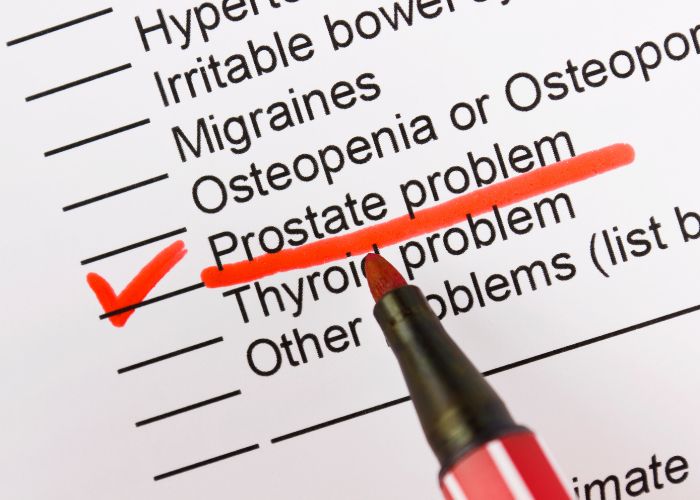

Prostate cancer stands as one of the most frequent cancers affecting men, especially once they cross the age of 50. It usually develops at a slow crawl, but catching those early warning signs can completely change the game for your diagnosis and treatment outcomes. A lot of men tend to brush off subtle plumbing changes or just assume it’s a standard part of getting older. Don’t fall into that trap. Recognizing these symptoms and getting a timely medical evaluation is absolutely vital.
According to the best urologist in mumbai, prostate cancer doesn’t always flash a warning light in its earliest stages. It can be completely silent. That’s exactly why routine health check-ups and prostate screenings are so important, particularly if you have specific risk factors like advancing age, a family history, or certain genetic traits. Staying on top of these early signs helps you take action before the disease finds a way to progress.
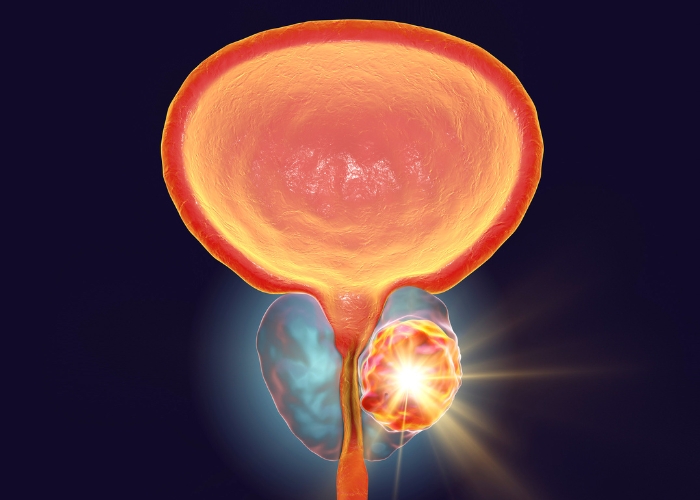
The prostate is just a small, walnut-sized gland tucked right below the bladder and directly in front of the rectum. It handles an important job, producing the seminal fluid that helps transport and nourish sperm. The cancer itself kicks off when abnormal cells within this gland mutate and start multiplying out of control.
In a large number of cases, this growth happens slowly and stays locked inside the gland itself. That said, some forms can turn aggressive, spreading quickly to other parts of the body. The best urologist in mumbai frequently highlights that early detection gives you the absolute best window for successful treatment and long-term control.
Here is one of the toughest challenges with prostate cancer: you might not see a single symptom until the condition has already made significant headway. Because of this, early-stage prostate cancer is usually caught through proactive, routine screening tests rather than obvious physical red flags.
When you catch it early, the benefits speak for themselves:
• A much wider array of treatment choices
• Far better overall recovery and treatment outcomes
• A drastically reduced risk of the cancer spreading further
• A better, more comfortable quality of life
• Significantly higher long-term survival rates
Knowing this, medical professionals, including the best urologist in mumbai, strongly advocate for open conversations about prostate health starting at age 50—or even earlier if you fall into a high-risk category.
Symptoms aren’t identical for every man, but there are a handful of warning signs you should never casually ignore.
One of the classic early indicators is needing to run to the restroom far more often than usual, especially in the middle of the night. This happens because structural shifts in the prostate begin to press on the urinary tract and mess with your bladder function.
You might notice a strange hesitation when you actually try to go. The urine flow takes a while to kick in, even though your brain is telling you that your bladder is completely full.
A stream that feels weak, or a flow that randomly stops and starts back up without warning, is a clear sign. It usually means there’s physical pressure on your urethra caused by an enlarged prostate or cancer-related tissue changes.
The best urologist in mumbai frequently examines these types of persistent urinary issues to figure out if they’re stemming from prostate cancer, simple benign enlargement, or a completely different issue.
Some men walk away from the bathroom feeling like they didn’t finish the job, as if urine is still trapped inside. If this becomes a regular occurrence, it’s time to bring it up with a professional.
Seeing blood in your urine or semen is never something to take lightly. While it can happen due to a variety of minor medical issues, it’s also a known indicator of prostate cancer and demands an immediate medical check.
If prostate cancer begins to advance, a few different physical symptoms can start creeping in.
These might show up as:
• A burning or painful sensation during urination
• Painful or uncomfortable ejaculation
• Sudden issues with erectile dysfunction
• Deep discomfort or pressure in your pelvic region
• A dull, persistent ache in your lower back
• Unexplained hip or thigh pain
The best urologist in mumbai will likely map out deeper diagnostic testing if these specific pains start showing up alongside your typical urinary changes.
Getting a clear picture of your personal risk level helps you and your doctor decide exactly when to schedule your first screening.
The primary risk factors include:
The odds shift upward significantly once you blow out the candles on your 50th birthday.
If your father, a brother, or another close blood relative has battled prostate cancer, your own risk profile naturally goes up.
Certain inherited gene mutations can make your body significantly more vulnerable to developing prostate cancer over your lifetime.
Carrying extra weight, eating a highly processed diet, and sitting at a desk all day without regular exercise can all tip the scales in the wrong direction.
The best urologist in mumbai always urges patients to dig into their family medical history so they can map out an appropriate, personalized screening schedule.
If you’re noticing symptoms or know you’re at risk, a physician will typically guide you through a few straightforward diagnostic tests.
The standard toolset includes:
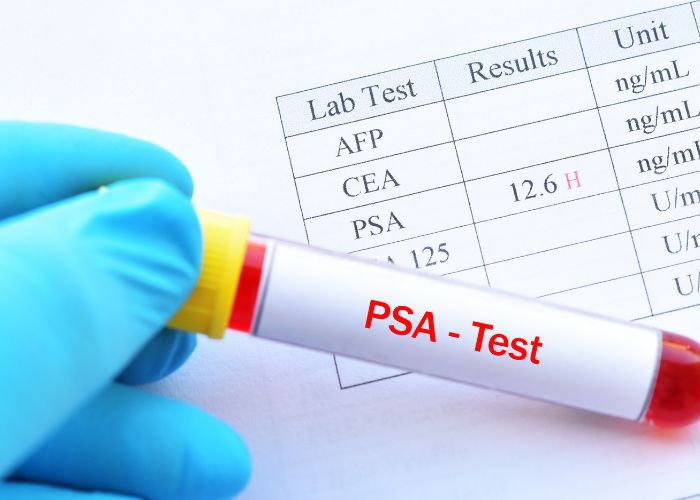
• A Prostate-Specific Antigen (PSA) blood test
• A quick Digital Rectal Examination (DRE)
• Detailed MRI imaging
• A targeted prostate biopsy
• Advanced imaging scans if the situation requires a closer look
These diagnostic approaches work together to confirm if cancer is present and, if so, gauge exactly how aggressive it is.
Let’s be clear: a lot of urinary issues are caused by completely non-cancerous conditions, like urinary tract infections or an enlarged prostate (BPH). Even so, ignoring persistent symptoms is a gamble you don’t need to take.
It’s highly recommended to consult the best urologist in mumbai if you are dealing with:
• Constantly waking up at night to urinate
• Straining or struggling to start urinating
• Any traces of blood in your urine
• A stubborn, unexplained ache in your pelvis
• A clear family history of prostate issues
• Blood test results showing elevated PSA levels
Getting evaluated quickly gives you answers, peace of mind, and the right roadmap to handle whatever is going on.
1.What is usually the first sign of prostate cancer?
For most men, the earliest red flags show up in the bathroom. Frequent nighttime trips and noticeable changes or hesitations in your urine stream are the most common early complaints.
2.Can prostate cancer occur without symptoms?
Yes, it absolutely can. Early-stage prostate cancer frequently grows quietly without causing any pain or physical changes. Often, it’s only uncovered through routine preventive screening tests.
3.At what age should men start prostate cancer screening?
The general baseline recommendation is to have a chat with your doctor around age 50. However, if you have an immediate family history or other heavy risk factors, you’ll want to start that conversation much earlier.
4.Is blood in urine always a sign of prostate cancer?
No, not always. Blood can appear due to infections, kidney stones, or benign enlargement. That said, it’s never normal, and you should always have a medical professional check it out immediately.
5.Why should I consult the best urologist in mumbai for prostate concerns?
Sitting down with the best urologist in mumbai ensures your symptoms are evaluated accurately. They can recommend the exact screening tests you need, helping you figure out whether you’re dealing with prostate cancer or a much simpler, highly treatable urological issue.

Dr. Mangesh Patil is a renowned Urologist, and is trained in Endourology and Robotic Surgery , with professional experience of more than 10 years .
© 2024 – Urocare Clinic. All Right Reserved | Maintained By Rebecca Digital