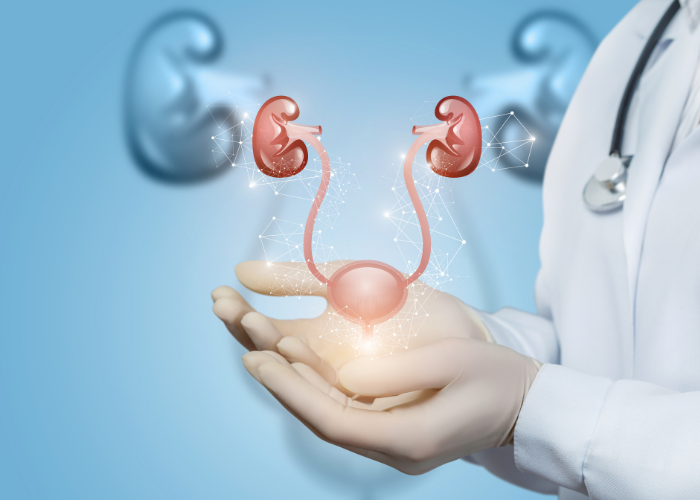
Bladder Control Problems: Causes & Treatment Options
- Oct 1, 2024
Bladder Control Problems: Causes & Treatment Options
Bladder control problems are more common than most people think. Many individuals experience urine leakage, frequent urges to urinate, or difficulty controlling the bladder at some point in their lives. While some people feel embarrassed talking about these symptoms, ignoring them can make the condition worse over time.
Bladder issues can affect sleep, confidence, work life, and everyday comfort. The good news is that many bladder control problems can be treated successfully with proper medical care and lifestyle changes. Consulting a top urologist in Mumbai can help identify the cause early and improve bladder health before complications develop.
What Are Bladder Control Problems?
Bladder control problems, also known as urinary incontinence, happen when a person loses control over urination. This may involve occasional urine leakage, sudden urges to urinate, or difficulty holding urine for long periods.
The urinary system depends on healthy muscles, nerves, and organs working together properly. When any part of this system is affected, bladder control issues may begin.
A consultation with a top urologist in Mumbai can help determine the exact reason behind these symptoms and guide patients toward suitable treatment.
Common Types of Bladder Control Problems
Stress Incontinence
Stress incontinence occurs when pressure on the bladder causes leakage. This may happen during coughing, sneezing, laughing, exercising, or lifting heavy objects. It is commonly seen in women after pregnancy or with increasing age.
Urge Incontinence
People with urge incontinence experience a sudden and strong urge to urinate, followed by urine leakage before reaching the restroom. Overactive bladder muscles are often responsible for this condition.
Overflow Incontinence
Overflow incontinence develops when the bladder does not empty completely. As a result, small amounts of urine may leak frequently throughout the day.
Functional Incontinence
Functional incontinence occurs when a person is unable to reach the restroom in time due to physical or medical limitations.
An experienced top urologist in Mumbai can identify the specific type of bladder control problem through proper evaluation and testing.
Causes of Bladder Control Problems
Several health conditions and lifestyle factors can contribute to bladder control issues.
Weak Pelvic Floor Muscles
The pelvic floor muscles support the bladder and surrounding organs. Weakness in these muscles can reduce bladder control. Pregnancy, childbirth, obesity, and aging are common causes.
Urinary Tract Infection
Urinary tract infections can irritate the bladder and increase the urge to urinate frequently.
Enlarged Prostate
In men, an enlarged prostate may block the normal flow of urine and lead to bladder difficulties.
Nerve-Related Conditions
Conditions such as diabetes, Parkinson’s disease, stroke, and spinal cord injuries can affect the nerves controlling the bladder.
Overactive Bladder
Overactive bladder muscles may create sudden urges to urinate even when the bladder is not full.
Certain Medications
Some medications, especially diuretics and certain blood pressure medicines, may increase urine production and worsen symptoms.
Patients experiencing these symptoms should consider consulting a top urologist in Mumbai for proper diagnosis and treatment.
Symptoms That Should Not Be Ignored
Bladder control problems can appear gradually or suddenly. Common symptoms include:
- Frequent urination
- Sudden urge to urinate
- Urine leakage
- Difficulty controlling urine
- Waking up repeatedly at night to urinate
- Weak urine flow
- Feeling that the bladder is not completely empty
Persistent symptoms should not be ignored. Seeking advice from a top urologist in Mumbai can help prevent long-term complications and improve quality of life.
Diagnosis of Bladder Control Problems
Proper diagnosis is important to understand the exact cause of bladder symptoms.
Medical History and Physical Examination
Doctors usually begin by discussing symptoms, lifestyle habits, medical history, and medications.
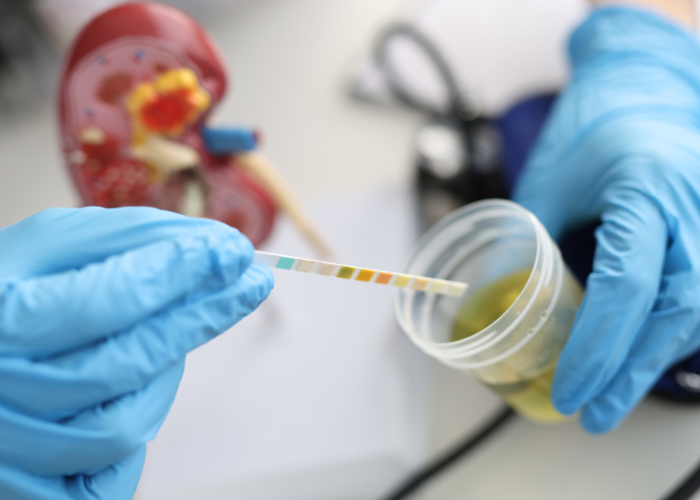
Urine Tests
Urine tests help identify infections and other urinary abnormalities.
Ultrasound
Ultrasound scans help examine the bladder, kidneys, and urinary tract.
Urodynamic Testing
These tests evaluate how well the bladder stores and releases urine.
Cystoscopy
Cystoscopy involves using a small camera to examine the inside of the bladder and urinary tract.
A top urologist in Mumbai may recommend one or more of these tests depending on the patient’s symptoms and condition.
Treatment Options for Bladder Control Problems
Treatment depends on the severity and underlying cause of the condition.
Lifestyle Changes
Simple lifestyle changes can improve bladder health, including:
- Reducing caffeine and alcohol intake
- Maintaining healthy body weight
- Drinking adequate water
- Avoiding smoking
- Following regular bathroom schedules
Pelvic Floor Exercises
Pelvic floor exercises, commonly called Kegel exercises, help strengthen muscles supporting the bladder.
Medications
Certain medicines help relax bladder muscles and reduce sudden urges to urinate.
Bladder Training
Bladder training techniques help improve bladder control by gradually increasing the time between bathroom visits.
Medical Devices
Some patients may benefit from devices designed to support bladder function and reduce leakage.
Surgical Treatment
Surgery may be recommended in severe cases when other treatment methods do not provide relief.
Consulting a top urologist in Mumbai helps patients receive personalized treatment based on their symptoms and medical condition.
How to Prevent Bladder Control Problems
Healthy habits may help reduce the risk of bladder control problems.
Maintain Healthy Weight
Excess body weight can increase pressure on the bladder and pelvic muscles.
Stay Physically Active
Regular physical activity supports muscle strength and overall urinary health.
Avoid Holding Urine for Long Periods
Delaying urination repeatedly may weaken bladder function over time.
Manage Existing Health Conditions
Proper management of diabetes and blood pressure may help protect bladder health.
Schedule Regular Health Checkups
Routine consultations with a top urologist in Mumbai can help detect urinary problems early.
FAQs About Bladder Control Problems
1.What causes bladder control problems?
Bladder control problems may occur due to weak pelvic muscles, urinary infections, enlarged prostate, nerve disorders, overactive bladder, or aging.
2.When should I visit a top urologist in Mumbai?
You should consult a doctor if you experience frequent urination, urine leakage, sudden urgency, or difficulty controlling urination.
3.Can bladder control problems be treated?
Yes, many bladder control conditions can be managed successfully with exercises, medications, lifestyle changes, or surgery.
4.Are bladder problems common in older adults?
Yes, bladder control issues become more common with age, but effective treatment options are available.
5.Can pelvic floor exercises improve bladder control?
Yes, regular pelvic floor exercises can strengthen bladder-supporting muscles and reduce urine leakage in many patients.



Dr. Mangesh Patil is a renowned Urologist, and is trained in Endourology and Robotic Surgery , with professional experience of more than 10 years .
Quick Links
Urocare Clinic
HN Reliance Hospital
© 2024 – Urocare Clinic. All Right Reserved | Maintained By Rebecca Digital
